










Winter can be one of the most challenging seasons for skin health. As a dermatologist, I see a predictable shift every year as temperatures drop. Patients who felt balanced in the fall suddenly experience dryness, irritation, redness, breakouts, or flares of eczema and rosacea. While winter is often blamed on dry skin alone, cold air, low humidity, indoor heating, and constant temperature changes all disrupt the skin barrier. Understanding these changes is the foundation of effective winter skincare. The goal is not to overhaul your routine, but to support and strengthen the skin barrier so it can function at its best.
What Winter Does to the Skin Barrier
Your skin barrier is made up of skin cells and lipids that work together to keep moisture in and irritants out. In winter, humidity levels drop both outdoors and indoors. Cold air holds less moisture, and heated indoor environments further dry the air. This combination increases transepidermal water loss, meaning your skin loses hydration faster than usual.
At the same time, hot showers, harsh cleansers, and frequent hand washing strip away protective oils. The result is skin that feels tight, looks dull, and becomes more reactive. When the barrier is compromised, even products you normally tolerate may suddenly sting or burn.
This is why winter skincare should focus less on aggressive treatments and more on barrier repair, hydration, and consistency.
Cleansing in Winter: Less Is More
One of the most common mistakes I see in winter is over cleansing. Exfoliating washes, harsh scrubs, and long hot showers can feel satisfying, but they remove essential lipids that your skin desperately needs during colder months.
In winter, choose a gentle cleanser that removes dirt and makeup without leaving the skin feeling tight. Washing your face once daily in the evening is often enough for most skin types. In the morning, a simple rinse with lukewarm water may suffice.
In winter, how you shower matters just as much as what you apply afterward. Keep showers short and use lukewarm water rather than hot, which strips the skin of natural oils and worsens dryness. Choose a gentle, fragrance-free body cleanser and avoid scrubbing with harsh loofahs or brushes. As soon as you step out of the shower, pat skin dry and apply a rich body moisturizer while the skin is still slightly damp to lock in hydration. This simple habit helps protect the body’s skin barrier, reduce itching, and prevent the dry, tight feeling that is so common during colder months.
Hydration Is More Than Drinking Water
Hydration in skincare refers to water content in the skin, not just drinking fluids. In winter, topical hydration becomes especially important. Look for humectants like glycerin and hyaluronic acid, which attract and bind water in the skin.
Layering hydration works well during colder months. Applying a hydrating serum to damp skin helps trap moisture before sealing it in with a moisturizer. This approach supports the skin barrier and improves comfort throughout the day.
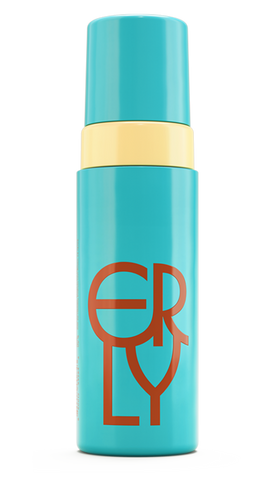
A lightweight hydrating serum like ERLY Daily Splash can be especially helpful in winter because it delivers hydration without heaviness, making it suitable for both dry and acne prone skin types.
Moisturizing to Repair and Protect
Moisturizers do more than soften the skin. They help repair the barrier by replenishing lipids and reducing water loss. In winter, many people need to switch to a richer moisturizer than they use in warmer months.
Ingredients such as ceramides, peptides, and vitamin E support barrier repair and help the skin recover from environmental stress. Applying moisturizer within a few minutes of cleansing helps lock in hydration.
Nighttime is particularly important for barrier repair. Skin naturally repairs itself while you sleep, so using a nourishing night moisturizer can significantly improve dryness, texture, and sensitivity by morning. ERLY Night Moisturizer is designed to support this process with barrier strengthening ingredients that help skin recover overnight.
Do Not Skip Sunscreen in Winter
One of the biggest skincare myths is that sunscreen is unnecessary in winter. Ultraviolet radiation is present year round, even on cloudy days. Snow can reflect UV rays, increasing exposure, especially during outdoor activities like skiing or walking.
Daily sunscreen use protects against premature aging, hyperpigmentation, and skin cancer. Mineral sunscreens are often better tolerated in winter, especially for sensitive skin that may be more reactive due to barrier disruption.
If your moisturizer includes broad spectrum mineral protection, it can simplify your routine while still providing essential defense. ERLY Start Moisturizer with SPF 40 offers mineral sun protection while supporting the skin barrier, making it a practical option during colder months.
Exfoliation Should Be Gentle and Strategic
Exfoliation can improve dullness and flaking, but winter is not the time for aggressive exfoliation. Over exfoliating in cold weather often leads to redness, burning, and breakouts.
If you exfoliate, reduce frequency and choose gentle options. Once weekly is often sufficient in winter. If your skin is irritated or compromised, it is best to pause exfoliation entirely until the barrier recovers.
Flaking in winter is often due to dehydration, not a buildup of dead skin. Improving hydration and moisturizing consistently usually resolves this without the need for exfoliation.
Special Considerations for Sensitive and Acne Prone Skin
Winter can paradoxically worsen acne. Dryness triggers the skin to produce more oil, while heavier products can clog pores if not well formulated. The key is balance.
Stick with non-comedogenic, fragrance-free products and avoid layering too many new actives at once. Supporting the barrier often leads to fewer breakouts over time.
For sensitive skin, simplicity is essential. Fewer products, gentle formulations, and consistent use go a long way in preventing flares of eczema, rosacea, and dermatitis during winter.
The Importance of Consistency
From a dermatologist’s perspective, the most effective winter skincare routines are simple and consistent. Skin thrives on predictability, especially when environmental stress is high. Resist the urge to constantly switch products or chase trends that promise instant results.
Instead, focus on cleansing gently, hydrating thoroughly, moisturizing daily, and protecting your skin from UV exposure. These fundamentals support the skin barrier and allow your skin to function optimally, even in harsh winter conditions.
Final Thoughts on Winter Skincare
Winter skincare is about protection and hydration. If your skin feels comfortable, calm, and resilient, your routine is working. By understanding how cold weather affects the skin barrier and adjusting your routine accordingly, you can maintain healthy skin throughout the season.
As a dermatologist, I always remind patients that healthy skin starts with a strong barrier. When you prioritize hydration, gentle care, and protection, your skin is better equipped to handle winter and beyond.


