






As a dermatologist, I often see teenagers using strong acids, aggressive scrubs, and layered actives they found on social media. Unfortunately, this approach frequently leads to irritation, dryness, and even more breakouts. The best skincare for teens is simple.
Teen skin is unique. Hormonal shifts during puberty increase oil production, which can clog pores and trigger acne. At the same time, teen skin is still developing and can be more reactive to harsh products. The goal is not to strip the skin or “dry out” pimples. The goal is to support the skin barrier while gently managing oil and inflammation.
Why Teen Skin Is Prone to Acne
During puberty, androgen hormones stimulate sebaceous glands to produce more oil. Excess oil combines with dead skin cells inside pores, creating an environment where acne-causing bacteria thrive.
This leads to:
-
Blackheads
-
Whiteheads
-
Red inflamed pimples or pustules
-
Occasional deeper cysts
It is important to understand that oil is not the enemy. Over-drying the skin can actually signal the oil glands to produce more oil, worsening breakouts. That is why balance is the foundation of the best skincare for teens.
Step 1: Use a Gentle Cleanser Twice Daily
Cleansing removes oil, sweat, dirt, sunscreen, and makeup. But harsh cleansers can disrupt the skin barrier and increase redness and irritation.
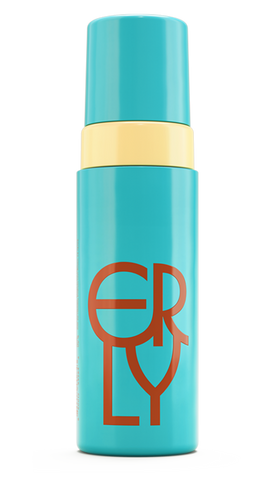
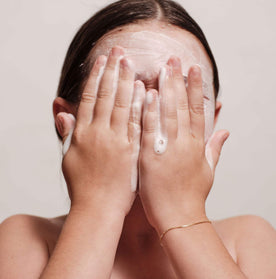
ERLY Face Foam Gentle Cleanser is designed to effectively remove buildup without leaving skin tight or dry. Teens should wash their face in the morning and at night. If they play sports or sweat heavily, an additional gentle cleanse after practice is helpful.
Avoid scrubs with rough beads or exfoliating brushes. Physical irritation can worsen acne and cause inflammation.
Step 2: Moisturizer Is Essential, Even for Oily Skin
One of the biggest myths in teen skincare is that moisturizer causes acne. In reality, skipping moisturizer can worsen breakouts.
When the skin barrier becomes dry or irritated:
-
Oil production increases
-
Redness worsens
-
Acne treatments become harder to tolerate
A lightweight, fragrance-free moisturizer helps maintain balance. Hydrated skin heals more efficiently and tolerates acne treatments better.
Step 3: Incorporate Targeted Acne Treatments
For teens with mild to moderate acne, over-the-counter treatments can be very effective when used consistently.
Adapalene
Adapalene is a topical retinoid available over the counter in 0.1% strength. It helps by:
-
Preventing clogged pores
-
Reducing inflammation
-
Improving skin cell turnover
It is applied once daily at night. A pea-sized amount is enough for the entire face. Mild dryness and irritation can occur in the first few weeks, so it is important to pair adapalene with moisturizer and avoid overusing other active ingredients.
Improvement typically begins around 4 to 6 weeks.
Benzoyl Peroxide
Benzoyl peroxide helps reduce acne-causing bacteria and inflammation. It is available in washes and leave-on treatments in varying strengths.
Lower strengths, such as 2.5% to 5%, are often just as effective as higher concentrations but less irritating.
It can be used as a face wash or a spot treatment. Be aware that benzoyl peroxide can bleach fabrics, so use white towels and pillowcases.
Niacinamide for Gentle Support
For teens who are sensitive or prone to redness, ERLY Daily Soothe is a gentle option. Niacinamide helps regulate oil production, reduce redness, and support the skin barrier. It pairs well with adapalene or benzoyl peroxide and improves overall skin tolerance.
Step 4: Sunscreen Every Morning
Sun protection is critical, especially when using adapalene or benzoyl peroxide. Sun exposure can worsen post-acne dark marks and increase irritation.
A mineral sunscreen with zinc oxide is often best tolerated by acne-prone teens. Apply every morning and reapply during outdoor activities.
Daily sunscreen is not just about preventing sunburn. It helps prevent long-lasting discoloration after breakouts heal.
Healthy Habits That Improve Teen Skin
Change Out of Sweaty Clothes
Sweat mixed with tight clothing can trap oil and bacteria against the skin. Teens should change out of athletic wear promptly after sports and shower as soon as possible.
This is especially important for back and chest acne.
Wash Pillowcases Weekly
Oil, hair products, and bacteria accumulate on pillowcases. Washing them weekly can reduce breakouts.
Keep Hair Products Away From the Face
Pomades and oils can clog pores along the hairline and forehead. Choose non-comedogenic styling products when possible.
Avoid Picking or Popping
Picking increases inflammation and dramatically raises the risk of scarring and dark spots. Encourage hands-off habits and use spot treatments instead
When to See a Dermatologist
If acne is not significantly improving after 6 weeks of consistent over-the-counter treatment, it is time to see a dermatologist.
You should also seek professional care if acne is:
-
Painful
-
Deep or cystic
-
Leaving scars
-
Causing emotional distress
Early treatment can prevent permanent scarring and long-term skin damage. There are many safe and effective prescription options available when needed.
Final Thoughts- Best Skincare for Teens
The best skincare for teens is built on simplicity, consistency, and barrier support. Gentle cleansing, daily moisturizer, targeted acne treatment, and sunscreen form the foundation.
When teens learn healthy skincare habits early, they not only improve acne but also build confidence and long-term skin health that lasts well beyond adolescence.


