






Updated June 2026
Biotin and skin health are often linked in beauty marketing—but how much of it is actually backed by science? Biotin, also known as vitamin B7, is a water-soluble vitamin essential for several key metabolic functions in the body. It plays a role in supporting healthy skin, hair, and nails—but there’s a lot of misinformation out there about how effective it really is for your complexion.
As a dermatologist, I’ll walk you through the real benefits of biotin, clear up common myths, and explain how it fits (or doesn’t) into a healthy skincare routine.
What Does Biotin Actually Do for the Skin?
Biotin supports the production of fatty acids that help maintain a strong and hydrated skin barrier. A deficiency in biotin can lead to dry, flaky skin and even irritation. However, for individuals with a balanced diet, additional biotin supplementation is not always necessary for improving skin health. Instead, focusing on topical hydration and skin barrier support can be more effective.
Common Myths About Biotin and Skin Health
1. Biotin Can Clear Acne
There is no strong scientific evidence linking biotin supplementation to acne improvement. In some cases, taking high doses of biotin can actually lead to breakouts by interfering with the absorption of other essential B vitamins that help regulate skin health.
2. More Biotin Means Better Skin
Many believe that taking extra biotin will automatically enhance their skin’s appearance. However, unless there is a deficiency, excess biotin does not provide additional skin benefits. Instead, a balanced diet and a targeted skincare routine are more effective ways to achieve glowing skin.
3. Biotin Is the Key to Hydrated Skin
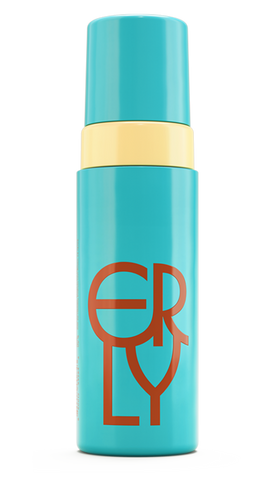
While biotin supports the skin’s barrier function, hydration primarily comes from topical ingredients like hyaluronic acid and ceramides. Using a well-formulated moisturizer, such as ERLY Night Moisturizer, which contains biotin, can help reinforce the skin barrier while providing deep hydration.
The Controversy Over Biotin for Hair and Nail Health
Biotin is commonly marketed as a supplement for stronger nails and healthier hair. While some studies suggest that biotin may help with brittle nails, the evidence is largely anecdotal, and the benefits are most pronounced in individuals with an actual biotin deficiency. Similarly, while biotin is often included in hair growth supplements, there is no conclusive scientific proof that it significantly promotes hair growth in those who do not have a deficiency. Many hair and nail issues stem from factors such as genetics, hormonal imbalances, and overall nutrition rather than a lack of biotin.
Additionally, high doses of biotin supplements have been reported to cause side effects like acne breakouts and can interfere with lab tests, leading to inaccurate results for thyroid, cardiac, and other important health markers.
The Best Ways to Support Skin Health with Biotin
1. Eat a Biotin-Rich Diet
Foods like eggs, nuts, seeds, and leafy greens naturally provide biotin and support overall skin health. Maintaining a balanced diet ensures you get the nutrients needed for optimal skin function without relying on supplements.
2. Focus on a Strong Skincare Routine
Instead of relying solely on biotin supplements, use skincare products that strengthen the skin barrier. ERLY Night Moisturizer, with its biotin-infused formula, works alongside other nourishing ingredients to promote a healthy, hydrated complexion.
3. Avoid Over-Supplementing
Taking excessive biotin without medical guidance is unnecessary and could disrupt the balance of other essential nutrients. Additionally, high doses of oral biotin supplements can interfere with certain blood tests, including thyroid and cardiac markers, leading to inaccurate results. If you suspect a deficiency, consult a healthcare provider before adding high doses of biotin to your routine.
Final Thoughts : Biotin and Skin Health
Biotin and skin health are certainly connected—but not in the magical way many beauty supplements would have you believe. While biotin is an essential nutrient that supports overall skin function, it’s not a miracle fix for breakouts, dryness, or dullness. If your skin is already getting enough biotin through your diet (which most people are), adding more likely won’t improve your complexion—and in some cases, it could even contribute to breakouts.
The most effective approach to healthy, radiant skin goes beyond any single supplement. It includes a nutrient-rich diet, a consistent and gentle skincare routine, and topical products that hydrate, protect, and support the skin barrier from the outside in.
At ERLY, we focus on dermatologist-developed skincare that works in harmony with your skin—no trendy actives, no harsh ingredients, and no guesswork. Because when it comes to real skin health, balance, consistency, and science always win out over hype.
FAQs
Is biotin good for skin? Biotin is an essential nutrient that supports normal skin function and helps maintain a healthy skin barrier. However, for most people who consume a balanced diet, additional biotin supplementation is not necessary for healthy-looking skin. A consistent skincare routine and overall nutrition often have a greater impact on skin appearance than extra biotin alone.
What are the benefits of biotin for skin? Biotin helps support the production of fatty acids that contribute to a healthy skin barrier. A healthy barrier helps skin retain moisture and function properly. While biotin plays an important role in overall skin health, its benefits are most noticeable in individuals who are deficient.
Does biotin help skin? Biotin helps support normal skin function and contributes to a healthy skin barrier. However, it is not considered a cure for common skin concerns such as breakouts, dryness, or dullness. Healthy skin is typically supported by a combination of nutrition, hydration, sun protection, and a consistent skincare routine.
Can biotin cause breakouts? Some people report experiencing breakouts while taking high-dose biotin supplements. While biotin is often marketed for skin health, excessive supplementation may not be beneficial for everyone. If you notice changes in your skin after starting a supplement, consider speaking with your healthcare provider.
Should I take biotin supplements for my skin? Most people can obtain sufficient biotin through a balanced diet that includes foods such as eggs, nuts, seeds, and leafy greens. If you are considering a biotin supplement, it is a good idea to speak with a healthcare provider, particularly if you have concerns about a deficiency.


