






If you feel like your skin is constantly changing, you are not imagining it. Hormonal skin changes are one of the most common reasons people experience sudden breakouts, increased dryness, sensitivity, or shifts in texture. These changes can happen even when your skincare routine has not changed at all.
Hormones influence how much oil your skin produces, how well it holds onto moisture, how quickly it renews itself, and how it responds to inflammation. From adolescence to menopause and beyond, hormonal skin changes are a normal part of life. Understanding what is happening beneath the surface can help you care for your skin with more confidence and far less frustration.
The Science Behind Hormonal Skin Changes
Hormones act as chemical messengers that travel through the bloodstream and signal different parts of the body. Skin is especially responsive because it contains receptors for estrogen, progesterone, testosterone, and cortisol.
When hormone levels fluctuate, they can directly affect the skin in several ways:
- They influence oil production by the sebaceous glands
- They affect collagen and elastin production, which impacts firmness and elasticity
- They regulate skin cell turnover, which controls brightness and texture
- They alter inflammation levels, contributing to acne, redness, or sensitivity
- They affect the skin barrier and moisture retention, leading to dryness or irritation
Because hormones naturally shift over time, hormonal skin changes often follow predictable patterns tied to different life stages.
Adolescence and Early Adulthood
One of the earliest experiences with hormonal skin changes happens during puberty. Androgens such as testosterone increase during adolescence, stimulating oil glands and leading to higher sebum production. This excess oil can clog pores and create an environment where acne develops.
In early adulthood, hormone levels may stabilize, but many people still notice cyclical breakouts around their menstrual cycle. These are often linked to fluctuations in estrogen and progesterone, which can temporarily increase oil production and inflammation.
During this stage, skin generally responds best to gentle cleansing, lightweight hydration, and consistent routines that support the skin barrier without stripping it.
Pregnancy and Postpartum Skin
Pregnancy is a time of dramatic hormonal shifts, and the skin often reflects these changes. Rising estrogen and progesterone levels can increase oil production and blood flow, sometimes creating the so-called pregnancy glow. At the same time, these hormones can trigger acne, sensitivity, or pigment changes.
One common example of hormonal skin changes during pregnancy is melasma. This condition causes dark patches on the face and is driven by hormonal stimulation of pigment-producing cells, especially when combined with sun exposure.
After childbirth, hormone levels drop rapidly. This shift can lead to dryness, sensitivity, breakouts, or changes in pigmentation. Postpartum skin may feel unpredictable, and routines that once worked may suddenly feel too harsh.
Hormonal Skin Changes During Perimenopause
Perimenopause often brings some of the most confusing hormonal skin changes. Estrogen levels fluctuate rather than decline steadily, which means skin concerns can vary from month to month.
Common changes during perimenopause include increased dryness, new or worsening adult acne, heightened sensitivity, and early signs of collagen loss such as fine lines or crepey texture. Estrogen plays a key role in maintaining hydration, elasticity, and barrier function, so inconsistent levels can make skin feel less resilient.
At this stage, consistency and gentle support tend to be more effective than aggressive treatments.
Menopause and Postmenopausal Skin
Menopause marks a more permanent decline in estrogen, and the skin often reflects this shift. Collagen production slows, elasticity decreases, and the skin barrier becomes more prone to water loss.
Hormonal skin changes during menopause often include persistent dryness, thinning skin, increased sensitivity, and slower healing. Products that once felt tolerable may suddenly cause irritation, making barrier-focused skincare especially important.
Supporting the skin with hydration, antioxidants, peptides, and daily sun protection becomes essential during this phase.
Stress, Cortisol, and Hormonal Skin Changes at Any Age
Hormonal skin changes are not limited to reproductive hormones. Cortisol, the primary stress hormone, affects skin health at every age. Elevated cortisol levels can increase inflammation, worsen acne, disrupt the skin barrier, and contribute to dullness and irritation.
Chronic stress can also impair the skin’s ability to repair itself, which is why lifestyle factors like sleep and stress management are closely tied to how skin looks and feels.
How to Care for Hormonal Skin Gently
Hormonal skin changes are not something to fight aggressively. They are signals that your skin needs support, not punishment.
Across all life stages, a few principles remain consistent:
Avoid over-cleansing or stripping the skin
Prioritize hydration and barrier repair
Use daily sun protection to prevent pigment changes
Introduce active ingredients slowly when skin feels reactive
Skin changes over time, and your skincare routine should be flexible enough to change with it.
The Bottom Line on Hormonal Skin Changes
Hormonal skin changes are a normal part of life, from adolescence through menopause and beyond. Breakouts, dryness, sensitivity, and texture changes are often driven by internal shifts rather than mistakes in your routine.
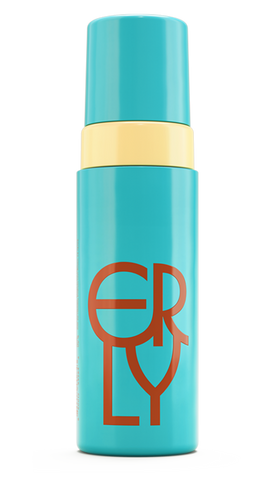
When you understand how hormones influence your skin, these changes become easier to navigate. With ERLY and a gentle, supportive approach, you can care for your skin thoughtfully at every stage.
Your skin is responding to your body’s journey, and it deserves care that evolves along the way.


