






Perioral dermatitis is one of the most common rashes I see in my dermatology practice, especially in young women, teens, and people who are very committed to their skincare routines. It often appears suddenly and can be frustrating because many of the products people use to “treat” it actually make it worse. Understanding what perioral dermatitis is and how to care for your skin during a flare is the key to getting it under control.
From a dermatologist’s perspective, the most important step in treating perioral dermatitis is not adding more products. It is simplifying the routine and removing common triggers that disrupt the skin barrier.
What Is Perioral Dermatitis?

Perioral dermatitis is an inflammatory skin condition that usually shows up as small red bumps, pink patches, or flaky skin around the mouth. It can also extend around the nose and sometimes the eyes. The rash may feel dry, tight, or slightly itchy, and many patients say their skin feels sensitive or irritated.
Unlike acne, perioral dermatitis usually does not have blackheads or deep cysts. The bumps tend to be more uniform and are often surrounded by redness or scaling. One classic sign is that the skin right next to the lip border is often spared, creating a small clear zone around the mouth.
Who Gets Perioral Dermatitis?
Perioral dermatitis is most common in:
-
Teens and young adults
-
Women in their 20s to 40s
-
People with sensitive or reactive skin
-
Individuals using multiple active skincare products
However, it can affect anyone, including children and men.
Common Causes and Triggers
Perioral dermatitis does not have a single cause. Instead, it usually develops when the skin barrier becomes irritated or disrupted. Several common factors can trigger it.
Topical Steroids
One of the most frequent causes is the use of topical steroids, including creams, nasal sprays, and inhalers. These may be prescription creams for eczema or over the counter hydrocortisone products. Steroids can initially make the rash look better, but over time they often worsen the condition and lead to rebound flares.
Overuse of Active Skincare
Many people with perioral dermatitis are using multiple active ingredients at once. Common culprits include:
-
Vitamin C serums
-
Retinoids
-
Exfoliating acids such as AHAs and BHAs
-
Acne treatments with benzoyl peroxide
These ingredients can be helpful in the right setting, but when used too frequently or layered together, they can irritate the skin around the mouth.
Heavy or Occlusive Products
Thick creams, oils, and ointments can trap heat and moisture around the mouth. This environment can trigger or worsen perioral dermatitis, especially in people who are already prone to it.
Toothpaste and Oral Care Products
Some toothpastes, especially those with strong flavoring agents or certain additives, may contribute to irritation around the mouth.
Hormonal and Environmental Factors
Hormonal fluctuations, stress, and changes in weather can also play a role. These factors may not cause the condition on their own, but they can contribute to flare ups.
Products to Avoid During a Flare
If you develop perioral dermatitis, the most important step is to simplify your routine. Many patients are surprised to learn that their well intentioned skincare products are actually prolonging the rash.
During a flare, it is best to avoid:
-
Vitamin C serums
-
Retinoids
-
Exfoliating acids
-
Benzoyl peroxide
-
Fragrance or essential oils
-
Heavy ointments and thick occlusive creams
-
Topical steroids, unless specifically directed by a dermatologist
The goal is to reduce irritation and allow the skin barrier to recover.
A Gentler Alternative to Vitamin C
Many people use vitamin C serums for brightness and antioxidant support. However, these serums are often acidic and can be irritating, especially around the mouth.
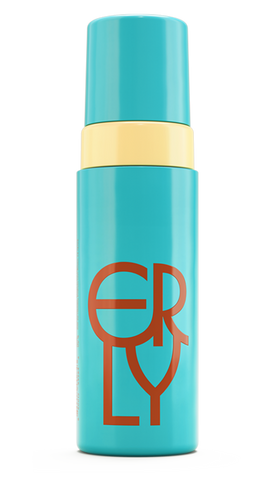
For patients who are prone to perioral dermatitis, a gentler approach is often better. ERLY Daily Soothe contains niacinamide, which helps support the skin barrier, reduce redness, and improve overall tone without the irritation that vitamin C can sometimes cause.
Niacinamide is well known for its calming and barrier supporting properties, and it also is an antioxidant. It is a great option for people who want the benefits of a brightening and balancing ingredient without the risk of triggering a flare.
How Dermatologists Treat Perioral Dermatitis
Treatment depends on the severity of the rash, but the approach is usually very consistent.
Step One: Simplify the Routine
I often recommend what we call a “zero therapy” or minimal routine approach. This means:
-
Using a gentle, fragrance free cleanser
-
Applying a simple, non irritating moisturizer
-
Avoiding all active ingredients around the mouth
This alone can lead to significant improvement in mild cases.
Step Two: Prescription Treatments
For more persistent or widespread cases, prescription treatments may be necessary. These can include:
-
Topical antibiotics such as metronidazole or clindamycin
-
Topical anti inflammatory medications
-
Oral antibiotics in moderate to severe cases
Oral antibiotics are often used for a limited period to calm inflammation. They are not being used primarily for their antibacterial effects, but for their anti inflammatory properties.
Step Three: Patience and Consistency
Perioral dermatitis does not clear overnight. Even with the right treatment, it can take several weeks to see full improvement. It is important to stick with the simplified routine and avoid the temptation to add new products too soon.
A Simple Routine for Perioral Dermatitis
When treating perioral dermatitis, less is more. The whole ERLY lineup was designed for all skin types, including sensitive skin and those prone to perioral dermatitis. A gentle routine might look like this:
Morning
-
Gentle, fragrance free cleanser
-
Light, non irritating moisturizer
-
Mineral sunscreen if needed
Evening
-
Gentle cleanser
-
Simple moisturizer or a calming serum like ERLY Daily Soothe
This type of routine supports the skin barrier and reduces the risk of further irritation.
Preventing Future Flares
Once the rash has cleared, it is important to reintroduce products slowly and thoughtfully. Here are a few tips:
-
Add only one new product at a time
-
Avoid layering multiple active ingredients
-
Choose fragrance free, hypoallergenic formulas
-
Be cautious with strong actives around the mouth area
-
Consider gentler ingredients like niacinamide instead of more irritating options
The Bottom Line
Perioral dermatitis is common, frustrating, and very treatable. The biggest mistake I see is patients trying to fix it with more products, stronger actives, or over the counter steroid creams.
In reality, the most effective approach is usually the simplest one. Remove the irritants, support the skin barrier, and use gentle, calming ingredients. For people who are prone to this condition, products like ERLY Daily Soothe offer a soothing alternative to more aggressive serums, helping the skin stay balanced without triggering irritation.
If the rash does not improve with a simplified routine, it is always best to see a dermatologist for proper diagnosis and treatment. With the right approach, most cases of perioral dermatitis can be cleared and kept under control.


