







Updated May 2026
If you have ever had a breakout, rash, or irritation that healed but left behind a lingering dark mark, you have experienced post inflammatory hyperpigmentation. Post inflammatory hyperpigmentation, often abbreviated as PIH, is one of the most common concerns I see in dermatology. It can follow acne, eczema, allergic reactions, insect bites, burns, or even overly aggressive skincare.
Many patients feel frustrated because the original blemish resolves, but the discoloration seems to last for months. Understanding why post inflammatory hyperpigmentation occurs and how to treat it properly is key to preventing it from becoming a long term issue.
Post inflammatory hyperpigmentation is discoloration that develops after inflammation in the skin. When the skin becomes inflamed, whether from acne, a rash, or injury, it triggers melanocytes to produce more melanin. Melanin is the pigment responsible for skin color. In response to inflammation, melanocytes can become overactive, leading to darkened areas where the original irritation occurred.
These marks are flat, not raised. They can appear tan, brown, gray, or even purplish depending on skin tone and depth of pigment.
Post inflammatory hyperpigmentation is more common and often more pronounced in medium to deeper skin tones because melanocytes are more reactive. However, it can affect all skin types.
Importantly, PIH is not scarring. The texture of the skin remains smooth. The issue is pigment, not permanent structural damage.
Why Dark Marks Linger
Many patients expect dark marks to fade quickly once acne clears. Unfortunately, pigment takes time to resolve. Unlike redness after a blemish, which is often related to blood vessel dilation and fades more quickly, hyperpigmentation reflects excess melanin deposited in the skin.
Several factors influence how long post inflammatory hyperpigmentation lasts:
-
Depth of inflammation
-
Repeated picking or manipulation
-
Sun exposure
-
Ongoing irritation
-
Skin tone
Sun exposure is especially important. Ultraviolet light stimulates melanocytes further, which can deepen and prolong discoloration. Even brief daily sun exposure can slow fading.
Without protection and targeted treatment, post inflammatory hyperpigmentation can last for months and sometimes longer.
The Foundation of Treatment: Sun Protection
Before discussing brightening ingredients, it is critical to emphasize that sunscreen is non negotiable. If you are trying to fade post inflammatory hyperpigmentation without daily sunscreen, you are working against yourself.
Broad spectrum mineral sunscreen helps prevent ultraviolet triggered melanin production. Consistent use allows pigment to gradually fade without being re-stimulated. When fading dark spots, tinted sunscreen is recommended.
Even on cloudy days, this step matters.
Over the Counter Ingredients That Help
There are several well studied ingredients that can safely improve post inflammatory hyperpigmentation when used consistently.
Niacinamide
Niacinamide helps reduce the transfer of melanin from melanocytes to surrounding skin cells. It also has anti inflammatory properties, which is particularly important if acne or irritation is still active. By calming inflammation, niacinamide helps prevent new pigment from forming.
Phloretin
Phloretin is a powerful antioxidant derived from apples. It plays an important role in brightening because it helps reduce oxidative stress and supports more even pigment distribution. Oxidative stress can worsen hyperpigmentation by stimulating melanocyte activity. By neutralizing free radicals, phloretin helps create a healthier environment for pigment to normalize. Phloretin has demonstrated the ability to inhibit tyrosinase, an enzyme involved in melanin production. By helping regulate excess melanin formation and providing antioxidant protection, phloretin may contribute to a brighter and more even-looking complexion over time.
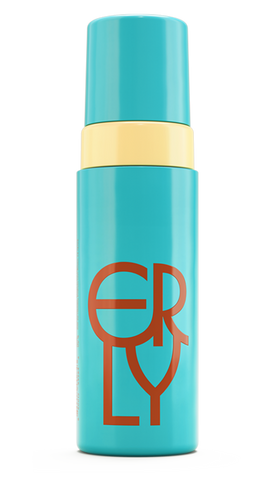
ERLY Daily Dew contains phloretin along with niacinamide, making it a strong multitasker for post inflammatory hyperpigmentation. Phloretin supports antioxidant protection while niacinamide helps regulate pigment transfer and calm inflammation. Together, they address both the cause and the persistence of dark marks.
Importantly, Daily Dew delivers these ingredients in a gentle, fragrance free formula that respects the skin barrier. Overly harsh brightening routines can actually worsen post inflammatory hyperpigmentation by creating more inflammation.
Retinoids
Over the counter adapalene can increase cell turnover, helping pigment fade more quickly. However, retinoids must be introduced gradually to avoid irritation, especially in patients prone to hyperpigmentation.
Azelaic Acid
Azelaic acid has anti inflammatory and pigment regulating properties. It is particularly helpful for patients with both acne and post inflammatory hyperpigmentation.
What to Avoid
When treating post inflammatory hyperpigmentation, more is not always better. I frequently see patients layering multiple acids, scrubs, and brightening serums at once. This often leads to irritation, which triggers more pigment production.
Avoid:
-
Aggressive physical scrubs
-
High strength peels without supervision
-
Frequent picking or squeezing blemishes
-
Fragrance heavy products that irritate
Consistency is more important than complexity. Improvement typically becomes noticeable after eight to twelve weeks.
When to See a Dermatologist
While many cases of post inflammatory hyperpigmentation improve with over the counter care, a dermatologist can help if:
-
Dark marks persist beyond several months
-
Pigment is worsening despite treatment
-
You are unsure whether the discoloration is melasma, scarring, or another condition
-
Acne or inflammation remains uncontrolled
Dermatologists can prescribe stronger retinoids, combination creams, or perform procedures such as chemical peels or laser treatments when appropriate. However, these are best done under supervision, particularly in patients with deeper skin tones where the risk of additional pigmentation exists.
Controlling the underlying cause is critical. If acne continues, new pigment will continue to form.
Prevention Is Powerful
One of the most effective strategies against post inflammatory hyperpigmentation is preventing inflammation in the first place. That means:
-
Treating acne early
-
Avoiding picking
-
Wearing sunscreen daily
Calming ingredients such as niacinamide and antioxidants like phloretin do double duty by helping prevent pigment from forming while also improving existing discoloration.
Final Thoughts on Post Inflammatory Hyperpigmentation
Post inflammatory hyperpigmentation can feel stubborn, but it is treatable. It reflects the skin’s response to inflammation, but it is not permanent damage. With patience, sun protection, and targeted ingredients, most dark marks gradually fade.
A thoughtful routine that includes antioxidant protection and pigment regulating ingredients such as those found in ERLY Daily Dew can support the skin’s natural recovery process without causing additional irritation. Remember daily sun protection is imperative.
If your discoloration is not improving or you are unsure about the diagnosis, seeing a dermatologist can provide clarity and a structured treatment plan. Managing post inflammatory hyperpigmentation is about reducing inflammation, protecting from sun exposure, and allowing time for the skin to rebalance.
Gentle consistency almost always outperforms aggressive intensity when it comes to fading dark marks.
FAQs
Is post-inflammatory hyperpigmentation permanent? No. Post-inflammatory hyperpigmentation is not permanent scarring. Unlike scars, the texture of the skin remains smooth and the discoloration reflects excess pigment left behind after inflammation. While dark marks can take time to fade, most improve gradually with patience, daily sun protection, and a consistent skincare routine.
How long does post-inflammatory hyperpigmentation last? The timeline varies from person to person. Factors such as the depth of inflammation, sun exposure, ongoing irritation, and skin tone can all affect how long post-inflammatory hyperpigmentation remains visible. Without proper protection and care, dark marks can last for months and sometimes longer.
Can sunscreen help with post-inflammatory hyperpigmentation? Yes. Daily broad-spectrum sunscreen is one of the most important steps when addressing post-inflammatory hyperpigmentation. Sun exposure can deepen discoloration and slow the fading process by stimulating additional melanin production. Consistent sun protection helps prevent existing dark marks from becoming more noticeable over time.
What causes post-inflammatory hyperpigmentation? Post-inflammatory hyperpigmentation develops after inflammation in the skin triggers melanocytes to produce excess melanin. It can occur after acne, eczema, allergic reactions, insect bites, burns, or other forms of irritation, leaving behind flat areas of discoloration once the original concern has resolved.
Can irritation make post-inflammatory hyperpigmentation worse? Yes. Ongoing irritation can prolong or worsen post-inflammatory hyperpigmentation by triggering additional inflammation in the skin. Overly aggressive skincare, frequent picking, and harsh exfoliation can make discoloration more difficult to fade. A gentle, consistent routine is often the best approach.


