






Skin texture has become one of the most searched skincare concerns in recent years. With filters, high-definition cameras, and constant exposure to curated images online, many people now expect their skin to look perfectly smooth and poreless. The reality is very different. Real skin has texture. Pores exist. Tiny lines exist. Variation in tone and surface is normal and healthy.
At ERLY, we believe in celebrating real skin and real texture. This means understanding what is normal, what can change, and what can realistically be improved.
This guide will walk through the most common causes of skin texture changes, rare causes worth knowing, and the best science-backed ways to support smoother, healthier skin without chasing unrealistic ideals.
First, What Is Normal Skin Texture?
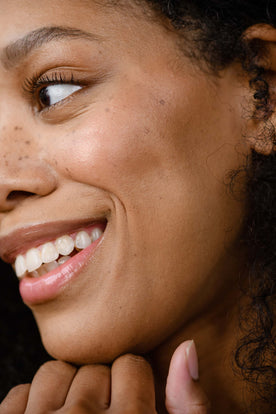
Healthy skin is not glass. It is not airbrushed. It is not poreless.
Normal skin texture includes:
- Visible pores, especially on the nose and cheeks
- Fine vellus hairs (peach fuzz)
- Fine lines that appear when you move your face
- Slight unevenness in tone and reflectivity
- Small bumps from normal hair follicles
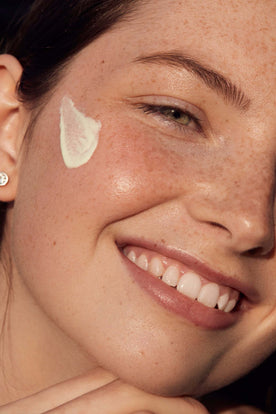
When light hits real skin, it scatters in many directions. That is completely normal. Social media often shows skin that has been filtered, blurred, or professionally lit, which creates the illusion that smooth equals healthy. In reality, healthy skin has dimension and micro-texture.
Improving texture should never mean trying to erase every pore or line. The goal is healthier, more even skin, not perfection.
The Most Common Causes of Skin Texture Changes
1. Sun Damage
Sun exposure is the single biggest driver of long-term texture changes.
Ultraviolet radiation breaks down collagen and elastin, the proteins that keep skin smooth and resilient. Over time this leads to:
- Roughness
- Fine lines
- Enlarged pores
- Uneven tone
- Thickened or leathery skin
These changes develop slowly and often become noticeable in the late 20s and 30s.
Daily sun protection is the most important step in preserving smooth skin texture long term.
2. Dehydration and Barrier Damage
When the skin barrier is disrupted, the surface becomes rough and dull. This can happen from:
- Over-cleansing
- Harsh exfoliation
- Dry climates or seasonal changes
- Using too many active ingredients
Dehydrated skin cells shrink and lose their smooth arrangement, which makes skin feel bumpy or crepey. Many people mistake dehydration for aging.
The good news is that this cause of texture change is very reversible.
3. Acne and Clogged Pores
Even mild acne can dramatically affect skin texture.
Common texture changes include:
- Closed comedones (tiny bumps)
- Enlarged pores
- Post-acne marks
- Shallow scarring
Congestion prevents the skin from shedding properly, creating a rough surface.
4. Natural Aging
As we age, skin turnover slows and collagen production decreases. This leads to:
- Fine lines
- Thinning skin
- Less elasticity
- Slight roughness
These changes are normal and expected. The goal is not to stop aging but to support the skin as it changes.
5. Over-Exfoliation and “Skincare Overload”
Ironically, one of the biggest modern causes of poor texture is trying too hard to fix it.
Overuse of scrubs, acids, and actives can lead to:
- Chronic irritation
- Micro-inflammation
- Rough, uneven skin
- Persistent sensitivity
When the skin is inflamed, texture worsens.
More is not better in skincare.
Less Common (But Important) Causes of Texture Changes
Keratosis Pilaris
Tiny rough bumps caused by keratin buildup in hair follicles. Often genetic.
Rosacea
Chronic inflammation that can cause roughness, visible blood vessels, and thickened skin.
Seborrheic Dermatitis
Can cause flaky, rough patches around the nose, brows, and hairline.
Hormonal Changes
Pregnancy, perimenopause, and menopause can affect oil production and collagen levels, altering texture.
Medical Conditions
Less common causes include genetic conditions, autoimmune disorders, or certain medications that affect skin turnover.
If texture changes are sudden, severe, or accompanied by redness, itching, or pain, it is worth seeing a dermatologist.
The Best Ways to Improve Skin Texture
Improving skin texture is about consistency and barrier support, not aggressive treatments.
1. Protect Collagen Daily
Daily sunscreen is the most powerful texture-improving product you can use. Preventing collagen breakdown preserves smoothness and elasticity.
This step works slowly but has the biggest long-term impact.
2. Hydrate the Skin Properly
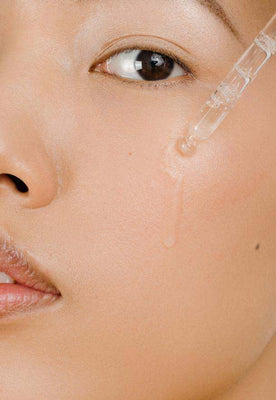
Hydrated skin reflects light more evenly and feels smoother instantly.
Look for ingredients like:
- Hyaluronic acid
- Glycerin
- Ceramides
- Niacinamide
Hydration plumps skin cells and improves the appearance of fine lines and roughness.
3. Strengthen the Skin Barrier
A healthy barrier allows skin to shed and renew properly.
Niacinamide is especially helpful for improving:
- Pore appearance
- Redness
- Uneven texture
- Oil balance
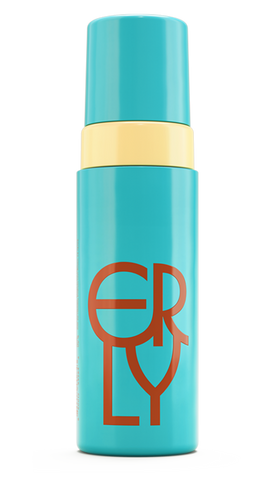
This is why formulas like ERLY Daily Soothe can support smoother-looking skin by helping calm inflammation and strengthen the barrier.
4. Gentle, Consistent Exfoliation
The goal of exfoliation is to help skin shed evenly, not aggressively strip it.
Healthy exfoliation habits:
- Limit physical scrubs
- Avoid daily strong acids
- Focus on consistency over intensity
Slow and steady improvement is the safest path to smoother skin.
5. Support Skin Turnover
Skin renews itself approximately every 28 days when young and more slowly over time. Supporting this natural cycle with hydration, sun protection, and gentle care allows texture to gradually improve.
6. Simplify Your Routine
A calm, consistent routine often improves texture more than a complicated one.
A solid foundation includes:
- Gentle cleanser
- Hydrating serum or moisturizer
- Daily sunscreen
That is the core of healthy skin.
Realistic Expectations for Texture Improvement
As a dermatologist, I cannot emphasis this enough. Real skin has texture, and we need to understand that this is normal. Having realistic expectations is very important when you are trying to improve skin texture.
Skincare can:
- Improve smoothness
- Reduce roughness and breakouts
- Minimize the appearance of pores
- Increase glow and reflectivity
- Support collagen and elasticity
Skincare cannot:
- Erase pores
- Remove all lines
- Make skin perfectly smooth
- Replicate filtered images
And that is okay.
Chasing completely poreless, flawless skin often leads to over-treatment and frustration. The healthiest approach is to aim for balanced, resilient skin that looks like real skin.
The Bottom Line
Skin texture changes for many reasons, most of them normal and expected. Sun exposure, dehydration, acne, aging, and barrier damage are the most common causes, while medical conditions account for some cases.
The best approach to smoother skin is gentle, consistent care focused on protection, hydration, and barrier health.
At ERLY, we believe in celebrating real skin. Real skin has pores. Real skin has fine lines. Real skin has texture.
And healthy skin does not need to be perfect to be beautiful.


