






Walk down any skincare aisle and you’ll see a dizzying lineup of serums promising everything from instant glow to smoother pores to brighter tone. Right next to them are moisturizers designed to hydrate, plump, and protect. Many people wonder whether they need both, if serums are “stronger,” or if a serum can replace a moisturizer altogether. As a dermatologist, I can tell you that serums and moisturizers serve very different purposes, even though their marketing sometimes makes them sound interchangeable. Understanding what each product does can help you build a routine that is simple, effective, and tailored to your skin’s needs. Let’s break it down- serums vs moisturizers.
What Is a Serum?
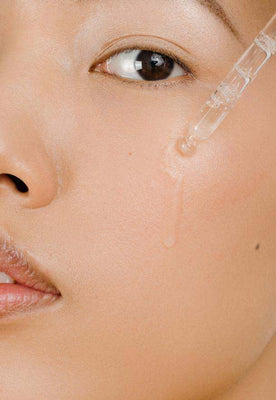
A serum is a lightweight product formulated with a high concentration of active ingredients. The goal of a serum is to target a specific skin concern rather than simply hydrate or support your barrier. Think of serums as problem-solvers. Their formulas are designed with smaller molecules and a thinner texture that allow them to reach deeper layers of the skin compared to thicker creams.
Common serum intentions include:
-
Improving uneven tone
-
Supporting skin firmness
-
Reducing the look of fine lines
-
Improving hydration levels
-
Calming redness
-
Minimizing the appearance of pores (try Daily Soothe for that!)
Serums typically contain a blend of potent ingredients such as niacinamide, hyaluronic acid, peptides, antioxidants, or plant extracts. Because these actives are more concentrated, serums often deliver noticeable improvements when used consistently.
The key thing to understand is that serums are not designed to replace the protective, cushioning benefits of moisturizer. They give your skin the targeted boost, but they do not usually supply enough hydration or barrier support on their own.
What Is a Moisturizer?
A moisturizer’s main job is to hydrate the skin and support your barrier. Your skin barrier is a vital structure that keeps moisture in and irritants out. When that barrier is strong, your skin looks smoother, calmer, and healthier. When it is compromised, you may see redness, flaking, sensitivity, or breakouts.
Moisturizers typically work in three ways:
-
Humectants pull water into the skin. Examples include glycerin and hyaluronic acid.
-
Emollients soften and smooth the surface.
-
Occlusives create a light seal to prevent moisture loss.
Unlike serums, moisturizers are formulated with a balanced combination of these ingredients to give lasting hydration and barrier protection. They help seal in the active ingredients from serums, improve overall skin comfort, and keep the skin resilient.
Even oily and acne-prone skin needs moisturizer. A well-chosen formula can actually help regulate oil production and reduce irritation from treatments like retinoids or acne medications.
So What Is the Difference?
The simplest explanation is that serums treat and moisturizers protect.
Serums are about targeted results. Moisturizers are about hydration and barrier support.
Another way to think about it is this: if your routine were a wardrobe, your serum would be the specialty item that serves a distinct purpose. Your moisturizer would be the everyday essential that makes everything else work better.
Do You Need Both?
Not always, but often yes.
If your only concern is maintaining healthy skin with minimal fuss, a gentle cleanser, a well-formulated moisturizer, and sunscreen may be enough. Many people do not need a serum every single day.
If you are trying to address something specific like dullness, fine lines, discoloration, prominent pores, redness, or dehydration that doesn’t improve with moisturizer alone, a serum is worth adding. Serums can enhance your routine without significantly increasing the number of steps.
What matters most is choosing products that make sense for your skin rather than layering for the sake of layering. More products do not mean better skin. A curated routine always outperforms a crowded one.
How to Choose the Right Serum
No serum can do everything, so your best choice depends on your skin goals.
Here is a quick guide:
-
For dullness or uneven skin tone: look for phloretin or gentle brightening exracts.
-
For hydration: hyaluronic acid or glycerin-based formulas are helpful.
-
For early fine lines: hyaluronic acid can plump and support a smoother look.
-
For redness or sensitivity: calming ingredients like niacinamide and barrier-friendly hydrators are key.
ERLY is a dermatologist-founded brand that emphasizes gentle, non-irritating formulas, which can be a safer choice than trend-driven products full of fragrance or aggressive acids.
How to Choose the Right Moisturizer
A good moisturizer should feel comfortable on your skin and not cause burning, stinging, or breakouts. Here is what to consider:
-
Oily skin does well with textures that are lightweight and free of pore-clogging ingredients.
-
Combination or normal skin benefits from midweight creams that hydrate without heaviness.
-
Dry or damaged skin needs richer creams with a balance of humectants and barrier-supportive ingredients.
-
Sensitive skin does best with fragrance-free, hypoallergenic formulas.
A well-formulated moisturizer is the backbone of any routine. Without it, even the best serum will not give noticeable results.
Can a Serum Replace a Moisturizer?
Generally no.
A serum might make your skin feel temporarily hydrated, especially if it contains hyaluronic acid or glycerin, but that hydration will evaporate without a barrier-supporting moisturizer on top. This often leads to the opposite of what you want: increased dryness, irritation, and sensitivity.
Moisturizer is not optional. It is the step that keeps your skin balanced, resilient, and comfortable.
The Bottom Line- Serums vs Moisturizers
Serums and moisturizers play different roles. A serum is a targeted treatment created to address specific skin concerns. A moisturizer is essential daily care that hydrates and protects your barrier.
Most people benefit from both, but you do not need a complicated routine to see results. Choosing a simple, gentle moisturizer and adding a serum that matches your goals is often the most effective strategy.


