






Updated June 2026
The word hypoallergenic is everywhere in skincare. It appears on cleansers, moisturizers, makeup, baby products, and even household items. For many people, it feels reassuring, especially if they have sensitive or reactive skin. But as a dermatologist, I am often asked what hypoallergenic actually means and whether it is a regulated or guaranteed promise.
The answer is more nuanced than most labels suggest. Understanding what hypoallergenic means, what it does and does not promise, and how it fits into choosing the right skincare can help you make better decisions for your skin.
What Hypoallergenic Means in Skincare
In skincare, hypoallergenic generally means that a product is formulated to minimize the risk of allergic reactions. The intention is to reduce common triggers that can cause irritation, contact dermatitis, or allergic responses.
However, hypoallergenic is not a strictly regulated term in the skincare industry. There is no single legal definition or standardized test that brands must follow to use the label. This means that while the term signals a gentler approach to formulation, it is not a guarantee that a product will never cause a reaction.
From a dermatology perspective, hypoallergenic should be viewed as a risk reduction strategy rather than a promise of zero irritation.
Common Causes of Skin Reactions
To understand hypoallergenic skincare, it helps to understand what commonly causes reactions in the first place.
Some of the most frequent triggers I see in practice include fragrance, essential oils, certain preservatives, harsh surfactants, alcohol-heavy formulas, and overly complex ingredient lists. Reactions can show up as redness, itching, rashes, burning, or acne-like bumps.
For people with eczema, rosacea, acne, or a compromised skin barrier, these reactions can be more severe and longer lasting.
What Dermatologists Look for in Hypoallergenic Products
When I evaluate whether a product is appropriate for sensitive or reactive skin, I look beyond marketing terms.
Key formulation principles matter more than labels. Hypoallergenic products should prioritize minimalism, meaning fewer ingredients and fewer opportunities for irritation. They should avoid fragrance and known sensitizers and rely on ingredients that support the skin barrier.
Texture and delivery also matter. Gentle cleansers that do not strip the skin and moisturizers that support hydration and barrier repair are essential for reducing reactivity over time.
The Benefits of Hypoallergenic Skincare
1. Reduces the Risk of Irritation and Allergic Reactions
The primary benefit of hypoallergenic skincare is that it minimizes the risk of irritation and allergic reactions. By avoiding common allergens and harsh chemicals, hypoallergenic products help keep your skin calm and free from redness, itching, or swelling.
For individuals with sensitive skin, this is especially important. Harsh ingredients in traditional skincare products can cause inflammation or even trigger eczema or other skin conditions. Hypoallergenic products, on the other hand, are formulated to provide gentle hydration and care without compromising the skin’s health.
2. Supports a Healthy Skin Barrier
One of the key functions of hypoallergenic skincare is that it helps maintain and strengthen the skin barrier. The skin barrier is essential for protecting the skin from environmental stressors like pollution, UV radiation, and irritants. When the skin barrier is compromised, it can lead to dryness, redness, and increased sensitivity.
Hypoallergenic products often feature ingredients that support and repair the skin barrier, such as peptides and niacinamide. These ingredients help promote healthy skin by improving its natural defenses and enhancing moisture retention.
3. Suitable for All Skin Types
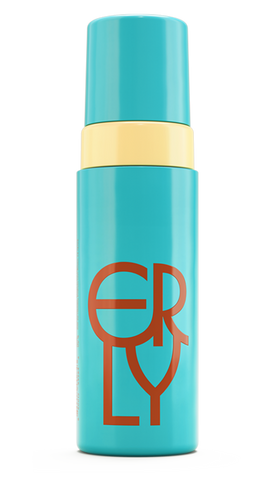
While hypoallergenic products are often marketed toward those with sensitive skin, they are suitable for all skin types. Whether you have oily, dry, combination, or acne-prone skin, hypoallergenic skincare can help you maintain balanced, healthy skin. For example, ERLY’s product line, which includes gentle moisturizers and serums, is designed to hydrate and nourish the skin without causing irritation or clogging pores.
4. Free From Potentially Harmful Ingredients
Many traditional skincare products contain ingredients that can be harmful to the skin, such as parabens, sulfates, artificial fragrances, and synthetic dyes. These ingredients may disrupt the skin’s natural balance or even cause allergic reactions in some individuals. Hypoallergenic skincare avoids these potentially harmful ingredients, providing a safer and more nourishing option for your skin.
Who Benefits Most From Hypoallergenic Skincare
Anyone can benefit from hypoallergenic skincare, even those without skin sensitivities. Many people choose hypoallergenic products to maintain a healthy skin barrier and avoid long-term irritation from potentially harmful ingredients. Since these products are designed to be gentle and safe for all skin types, they can help promote balanced, healthy skin.
People with sensitive or reactive skin, eczema prone skin, rosacea, acne that worsens with irritation, post procedure skin, pregnant individuals, and children often do best with hypoallergenic skincare. These formulations help reduce unnecessary inflammation and support long term skin health.
Hypoallergenic products are also helpful during periods of skin stress, such as after over exfoliation, during seasonal changes, or when introducing active ingredients.
The Role of the Skin Barrier
One of the most important concepts in dermatology is the skin barrier. A healthy barrier protects against environmental irritants, allergens, and water loss. When the barrier is damaged, skin becomes more reactive and more likely to develop allergic or irritant reactions.
Hypoallergenic skincare supports the barrier by avoiding ingredients that weaken it and by including ingredients that help retain moisture and calm inflammation. Over time, this can make skin less reactive overall.
Are Hypoallergenic Products Always Enough?
For many people, switching to hypoallergenic skincare is enough to dramatically improve irritation and redness. For others, especially those with underlying skin conditions, additional treatment may be needed.
If you experience persistent rashes, itching, swelling, or burning despite using gentle products, it is important to see a dermatologist. Patch testing or prescription treatments may be necessary to identify specific allergens or calm inflammation.
Hypoallergenic Skincare at ERLY
At ERLY, all products are formulated to be hypoallergenic. From a dermatologist perspective, this means prioritizing barrier health, minimizing common irritants and allergens, and creating formulas that are appropriate for a wide range of skin types and ages.
ERLY products are fragrance free and designed to support the skin rather than overwhelm it. This approach makes them suitable for sensitive skin, acne prone skin, pregnancy safe routines, and anyone looking to simplify their skincare without sacrificing results.
The Takeaway
Hypoallergenic skincare is about reducing risk. The term signals a thoughtful approach to formulation that avoids common triggers and supports the skin barrier. From a dermatologist point of view, hypoallergenic products are an excellent foundation for healthy skin, especially for those who are sensitive or prone to irritation.
Choosing well formulated, hypoallergenic skincare like ERLY products can help calm the skin, strengthen the barrier, and create a routine your skin can tolerate long term.
FAQs
What does hypoallergenic mean? In skincare, hypoallergenic generally means a product is formulated to minimize the risk of allergic reactions. The goal is to reduce common triggers that can cause irritation, contact dermatitis, or allergic responses. However, hypoallergenic is not a guarantee that a product will never cause a reaction.
Does hypoallergenic mean allergy free? No. Hypoallergenic products are designed to reduce the risk of allergic reactions, but they cannot guarantee that every individual will be reaction free. Because everyone's skin is different, sensitivities can still occur.
Is hypoallergenic skincare better for sensitive skin? Many people with sensitive or reactive skin choose hypoallergenic skincare because these products are often formulated to avoid common irritants and support the skin barrier. However, individual skin needs vary, and it is always important to pay attention to how your skin responds to a product.
Who benefits most from hypoallergenic skincare? Hypoallergenic skincare can be beneficial for anyone, but it is especially helpful for people with sensitive or reactive skin, eczema-prone skin, rosacea, acne that worsens with irritation, post-procedure skin, pregnant individuals, and children.
Are hypoallergenic products regulated? No. There is no single legal definition or standardized test that brands must follow to use the term hypoallergenic. While the label can signal a gentler approach to formulation, it should be viewed as a risk-reduction strategy rather than a guarantee.


