




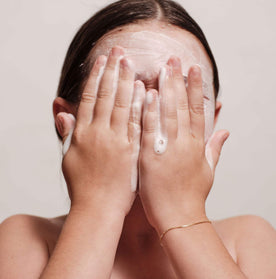


Perioral dermatitis is one of those conditions that sounds more intimidating than it is. The name simply means “inflammation around the mouth,” but the reality can be frustrating for anyone experiencing it. Redness, clusters of tiny bumps, burning, flaking, or a sandpapery texture around the lower face can show up seemingly out of nowhere—and just as quickly spiral if you apply the wrong products.
As a dermatologist, I see perioral dermatitis weekly, and the story is almost always the same: a well-meaning attempt to fix irritation with more actives, heavier products, or a quick over-the-counter steroid leads to worsening symptoms. Understanding what’s happening underneath the surface can help you avoid this cycle and approach your routine with calm, strategic steps.
What Is Perioral Dermatitis?
Perioral dermatitis is a chronic inflammatory condition that typically affects the skin around the mouth, nose, and sometimes the eyes. It can look like acne, rosacea, and eczema all at once: small red bumps, scaling, burning, and an overall uneven texture.
Although the exact cause hasn’t been fully pinned down, dermatologists widely agree it’s linked to disruption of the skin barrier combined with irritation or inflammation triggered by topical products, environment, or habits.
It overwhelmingly affects women, especially between ages 20 and 45, though teens and children can experience it as well.
What Causes It?
Perioral dermatitis tends to emerge when the skin barrier has been pushed past its limits. Common triggers include:
1. Topical Steroids
This is the most notorious culprit. Even mild OTC hydrocortisone can trigger or worsen perioral dermatitis when used on the face. A quick reduction in redness creates the illusion of improvement, but symptoms nearly always rebound, and often more aggressively, once the steroid stops. Even cortisone-containing nasal sprays or inhalers can trigger it.
2. Heavy or Occlusive Products
Thick balms, oils, ointments, or heavy moisturizers can trap heat and increase inflammation in susceptible skin. They can also create an environment that disrupts the microbiome around the mouth.
3. Harsh Skincare Ingredients
Excessive use of exfoliants, prescription retinoids, strong cleansers, toothpaste with irritating additives, or fragranced lip products can all contribute to irritation.
4. Overwashing or Overcleansing
More is not better. Stripping the skin encourages rebound oil production and weakens the protective barrier, making it more reactive.
5. Hormonal Fluctuations or Stress
Changes in hormones and periods of chronic stress can shift the immune response in the skin, increasing inflammation and sensitivity.
6. Environmental Triggers
Cold, dry air; wind; and sun exposure can all amplify irritation and worsen symptoms.
What Does It Look Like?
Perioral dermatitis often presents as:
-
Clusters of small red or pink bumps
-
Mild peeling or flaking
-
A burning or tight sensation
-
Redness around the nose, chin, or lips
-
A clear zone directly bordering the lip vermilion (one of its distinguishing features)
It may be mistaken for acne or eczema, but unlike acne, the bumps are usually not clogged pores. And unlike eczema, the redness tends to be more persistent rather than patchy.
If symptoms worsen with moisturizers or steroids, that’s another clue you're likely dealing with perioral dermatitis.
Non-Prescription Ways to Prevent and Manage Perioral Dermatitis
While some cases require prescription treatment, many mild to moderate flares can be supported at home with the right approach. The key is resetting the skin barrier, removing triggers, and choosing products that soothe rather than stimulate.
1. Go Back to Basics
This is the most important step. Strip your routine to the essentials:
-
A gentle, fragrance-free cleanser
-
A lightweight, non-occlusive moisturizer
-
A mineral sunscreen
During a flare, skip exfoliants, masks, scrubs, retinoids, and strong actives. The goal is not to treat aggressively but to stabilize.
Using a simple routine consistently is what allows the skin to repair itself.
2. Choose Products Designed for Sensitive, Reactive Skin
Look for cleansers and moisturizers that are fragrance-free, hypoallergenic, and free of strong exfoliating acids.
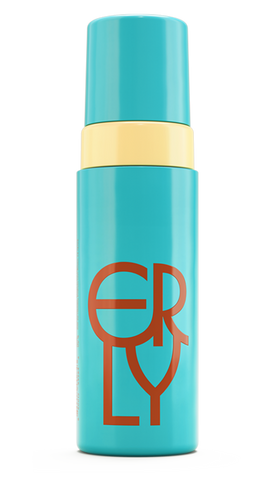
This is where a routine built around gentle, barrier-supportive products—like those in the ERLY lineup—can make a noticeable difference. For example, pairing a non-stripping cleanser with a simple soothing moisturizer can help calm inflammation and support healing as the flare settles.
3. Avoid Heavy Occlusives Around the Mouth
It’s tempting to slather on thick balms when the skin feels dry or tight, but many perioral dermatitis cases worsen with heavy occlusion.
If your lips are dry, apply lip care only to the lips themselves—not past the border. Keep balms, ointments, and oils away from the surrounding skin.
4. Switch Toothpaste (Yes, Really)
Certain toothpastes—especially those containing fluoride, tartar-control ingredients, or strong mint flavors—can aggravate symptoms.
Try a simple, non-whitening, non-mint toothpaste for a few weeks. This alone helps many people.
5. Use a Mineral Sunscreen
Chemical filters can irritate already sensitive skin. A zinc-based sunscreen is usually better tolerated and has anti-inflammatory benefits.
ERLY Start Moisturizer with SPF 40 is a mineral sunscreen formulated for sensitive skin and can be especially helpful for those prone to redness or irritation.
6. Avoid Touching, Picking, or Scrubbing
Hands introduce bacteria and friction that make flares worse. The same goes for exaggerated cleansing techniques or using abrasive tools.
7. Manage Stress and Hormonal Fluctuations Where Possible
Regular sleep, stress-reduction strategies, and predictable routines can help minimize internal triggers.
How Long Does It Take to Improve?
The timeline varies, but most people begin to see improvement within two to six weeks once they remove triggers and simplify their routine. Full resolution can take longer—sometimes two to three months.
This slow pace is normal. Perioral dermatitis heals gradually, not dramatically. Consistency beats intensity.
A gentle, supportive routine using non-irritating products, like those in the ERLY range, can help keep your skin calm as it resets.
When to See a Dermatologist
Seek professional care if:
-
Symptoms worsen despite simplifying your routine
-
Redness becomes painful or widespread
-
The condition affects your eyes
-
You’re unsure whether you’re dealing with acne, eczema, or perioral dermatitis
Dermatologists have multiple prescription options, but many people can get ahead of early flares by pulling back on actives and prioritizing barrier repair.
The Takeaway
Perioral dermatitis thrives in environments where the skin is overloaded with too many products, too much friction, or too many actives. The most effective approach is often the opposite: fewer products, gentler care, and a focus on calming and supporting your skin rather than trying to “fix” it.
With patience, consistency, and the right routine, especially one built with barrier-friendly products, your skin can return to its healthy baseline.


